Posts

How Much Water Do I Really Need?

Image
In addition to diet and exercise, water plays a critical role in your health & wellbeing. With the temperatures cooling down and class work piling on, it can be challenging to remember to sip on water. You might be wondering, “how much water do I really need to drink everyday?”. Although there are minimum fluid requirements, the answer for this depends on many different factors such as your physical activity and diet. Adult women should aim for 11 cups daily and adult men should aim for 15 cups – this includes water from both liquids and food! Here are five tips to sip by: Start early. Don’t wait to drink water until you feel thirsty and dehydrated. Keep drinking water at regular intervals. Eat fruits and veggies. Many of these contain a high percentage of water such as watermelon and tomatoes which you can regularly find in our dining halls. Track your water. Logging your water intake can help keep you accountable. Use a water bottle. It makes remembering to drink water much e...

TAKE 15: Unwind Your Mind

Image
  This month, make a goal to TAKE 15 : take 15-minute breaks from work and school to improve your mental wellbeing. Keep reading to find out how: Mindful Eating Mindful eating focuses on your sensory awareness of your food and environment. This allows you to connect food to your internal body cues. Try to engage all your senses when you are eating: ·        How does the food smell? ·        How does the food texture feel? ·        How does the food look (colours, shapes, etc)? Find your pocket of peace by building a positive relationship with food. Physical Activity Physical activity has been found to have positive impacts on mood, memory, and sleep. This may be because physical activity releases endorphins that relax muscles and allow you to feel calm. This does not have to be planned physical activity or sports; instead, try: ·        Take a ...

Starting off Strong: New Semester, New Goals

Image
  A new semester means a fresh start full of opportunity to set new goals, overcome setbacks and achieve new heights! Whether you are setting goals for healthy eating, activity, or classes- keep reading to learn five tips to stay motivated and focused. Tips for Turning Goals into Reality: 1. Have a vision and mission  A vision outlines specifically where you want to go. Put a number on what you want to achieve. A mission outlines how you will achieve your vision. What steps will you take to achieve your goal? Example: Vision: I want to improve my iron levels to the healthy target range. Mission: I will improve my iron levels by incorporating more iron rich foods in my diet.  2. Break it down into mini goals     Breaking the bigger goal into smaller approaches you can do daily makes it much less daunting and much more achievable! Example: Have a serving of iron-rich foods at each meal, e.g. beans, meat, etc.   3. Set a “SMART” goal    ...

Take 15 Today

Image
  Spring has sprung! But April remains a stressful time of the school year with finishing up projects and finals. Keep on reading to help find pockets of peace in your days.  Take 15 minutes from your day to try one of the following: Breathing exercise while walking Time your inhale and exhale with every two steps to help you relax. You can then extend the length to every three steps. Take a nap Take a quick nap to help you re-energize and refocus on your goals. Get creative Google “mindfulness colouring sheets” and get to colouring your favourite design. You can do this digitally as well! Connect with friends and/or family Talking with others can help relieve stress by lifting the weight off our shoulders. Listen to your favourite tunes Jam out to some awesome beats or put on some slow, instrumental music to help you focus. Remember, nourishing your mind is just as important as your body. Take some time today to slow down and do something you enjoy! Resources TAKE 1...

Facts on Fad Diets

Image
  March is National Nutrition Month, and your dietitian wants to help you uncomplicate nutrition information! It can be challenging to separate real from reel when it comes to nutrition information in the age of social media. Fad diets can mask themselves under the false appearance of healthful eating, especially when the nutrition information is coming from your favourite fitness influencer. Let’s take a deeper dive into what fad diets are, and how you can spot them. What is a fad diet? A fad diet is a popular diet that promises quick fixes usually revolving around weight loss. It often does not follow healthy eating principles. How can I spot a fad diet? Watch out for the following red flags when you come across a new diet: Promises of rapid, significant weight loss (more than 2 pounds per week) Severe restriction on calories or certain food groups like carbohydrates or fats Rigid rules that do not fit into your lifestyle Asks you to buy supplements from a certain compa...

Fibre and Your Health

Image
  February is all about heart health, and a heart healthy diet includes fibre! Did you know most Canadians are only meeting half the recommended fibre intake?   What is fibre and where can I find it? Fibre is a type of carbohydrate which our bodies cannot digest meaning it passes through our digestive tract. There are two main types of fibre: insoluble fibre and soluble fibre. Insoluble fibre adds bulk and keeps your bowels regular. It also helps you feel full. This type of fibre is found in wheat bran, whole grains, as well the skins, leaves, and seeds of vegetables and fruits. Soluble fibre is a soft fibre which may help lower cholesterol and control blood sugar. This type of fibre is found in vegetables and fruits such as apples, oranges, carrots, and eggplant. It is also found in oatmeal and oat bran as well as beans and lentils.      You can find more details on how much fibre is in the foods you are eating here .   How much fibre do I nee...

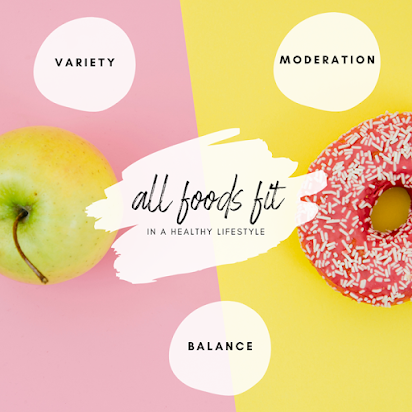
All Foods Fit

Image
  Imagine craving a chocolate-covered, cream-filled donut, but you stop yourself from having it because you are trying to “eat good”. Instead, you think about it all day and try to distract yourself with food that deep down we know is not going to satisfy that donut craving. Now imagine if you just had that donut, felt satisfied, and were able to move on with your day. Does that sound liberating? That is exactly what dietitians mean by “all foods fit”. This term refers to an approach of categorizing foods not as good or bad, but as sources of nourishment for your physical and mental wellbeing. The three main pillars to help guide healthy food choices are: variety, balance, and moderation. Here are tips from your dining services dietitian to help achieve your goals: Increase variety      ·        Try a new source of protein on your plate. Is chicken your go-to protein? Try switching it up and   have beans with rice instead.    ...